
Where Tallahatchie County Warrants Begin
Warrants in Tallahatchie County do not come from one place. The county runs two judicial districts, with courthouse communities in Charleston and Sumner. Different courts issue different orders, and the record stays with the court that issued it. That split is the main reason there is no single warrant list to search.
Circuit Court handles felony cases. A judge there may issue a bench warrant for a missed hearing or a capias to bring a defendant in. Justice Court is the busy local court for county misdemeanors, county traffic tickets, initial appearances, bond settings, and search or arrest warrants. Municipal Court issues city bench warrants when someone skips a city ticket or court date. Chancery Court can issue bench warrants too, usually in contempt, support, or other equity matters.
Because the issuing court controls the record, the first step is always the same. Figure out which court most likely issued the order. A felony points to Circuit Court. A county traffic ticket points to Justice Court. A city ticket points to the Municipal Court in that town. That single guess narrows the search fast.
How to Check for a Warrant in Tallahatchie County
With no online roster, the reliable path runs through people, not a portal. Start with the Tallahatchie County Sheriff. Sheriff Jimmy Fly's office is the central county contact for active warrants and can tell you whether to route a question to a court instead. Call before you make any travel or payment plans.
From there, the search follows a chain. Work down it until you find the office that holds the order:
- Sheriff - call the Tallahatchie County Sheriff's Office at 662-647-3700, or write to P.O. Box 100, Charleston, MS 38921.
- Circuit and Chancery Court - bench warrant and capias activity can appear in case dockets through Mississippi Electronic Courts and its public access service, PAMEC.
- Justice Court - the likely source for county misdemeanors, traffic failure-to-appear, search and arrest warrants, and bonds; route through the sheriff or clerk because no separate public office line was located.
- Municipal Court - Charleston and Webb city courts hold their own bench warrants for unpaid tickets and missed city court dates.
- State and federal - no statewide Mississippi warrant portal exists; federal warrants are not county records and may involve the U.S. Marshals or federal court.
The court information pages confirm where each court sits and how to reach its electronic system. The Seventeenth Circuit Court page on Mississippi Electronic Courts lists the Charleston and Sumner Circuit Court locations along with the PAMEC helpdesk at 601-576-4650. Remote case access runs through a PAMEC account, while the free court-info page only confirms the court, not a warrant.
Important: A warrant does not clear itself, and an online search of a private site is not proof of status; only the issuing court or the sheriff can confirm whether a warrant is active.
Types of Tallahatchie County Warrants
Not every warrant means the same thing. The label tells you which court issued it and what it takes to clear it. Mississippi Electronic Courts uses flag terms for several of these in Circuit and Chancery case dockets, including Bench Warrant Issued, Bench Warrant Returned, and Capias Pending. The most common types break down this way.
- Arrest warrant
- An order to take a person into custody based on a sworn complaint or probable cause, often issued by a Justice Court judge.
- Bench warrant
- Issued by a judge when someone fails to appear in court or ignores a court order; common in Circuit, Justice, Municipal, and Chancery matters.
- Capias
- A court order directing arrest for failure to appear or noncompliance, flagged as Capias Pending in the electronic docket.
- Search warrant
- An order allowing officers to search a place or item; Justice Court judges issue many of these in the county.
- Probation or PRS violation warrant
- Tied to a violation of supervised release; Circuit Court flags include Probation Viol Pend and PRS Viol Pend.
- MDOC warrant
- An order linked to state corrections supervision, shown in Circuit dockets as MDOC Warrant Issued.
Warrant Details to Ask the Court or Sheriff
Since there is no search box to fill in, the useful work happens on the phone or at the counter. Knowing what to ask keeps the call short and protects you from a false match with someone who shares your name. The fields below stand in for the search form that a county with an online warrant portal would offer.
| Field to Confirm | Why It Matters |
|---|---|
| Name and date of birth | Needed to avoid false matches with similar names. |
| Issuing court | Circuit, Chancery, Justice, Municipal, or federal. |
| Warrant type | Arrest, bench, capias, search, probation or PRS violation, fugitive or hold. |
| Case number | Needed to resolve the matter in the correct court. |
| Charge or allegation | May be restricted if the case is sealed or under active investigation. |
| Bond amount and type | Ask whether cash, surety, no-bond, or a hold applies. |
| Court date | Ask where and when to appear after surrender or bond. |
| Clearance status | Ask how long court, sheriff, and DPS updates take after payment or an order. |
What a Tallahatchie County Warrant Record Shows
When a court or the sheriff pulls a warrant, the underlying record carries a set of standard details. Some of these are public, while charge details may be limited on a sealed case or during an active investigation. The full file in the electronic court system is gated behind a PAMEC account, so the counter or phone is often the faster route for a plain status check.
- Warrant or case number - the identifier that ties the order to its court file.
- Issuing court and district - Circuit, Chancery, Justice, or Municipal, in the Charleston or Sumner district.
- Warrant type and status - such as bench warrant issued, returned, or capias pending.
- Subject name and date of birth - the person named in the order.
- Charge or allegation - the offense or violation behind the warrant, where releasable.
- Bond amount and type - cash, surety, no-bond, or a hold on release.
- Issuing officer or agency - the judge or court staff who entered the order.
Bench warrants and capias entries often sit inside a wider criminal case file. The full progression of charges, pleas, and sentencing lives in the Tallahatchie County criminal court records, where a warrant flag is only one line of a longer docket.
Municipal Court Warrants in Tallahatchie County Cities
City courts are easy to overlook. A warrant for an unpaid city ticket or a missed municipal court date stays with that city, not the sheriff's records. Tallahatchie County has municipal courts in its incorporated towns, and the two with located contacts are Charleston and Webb. Call the right city hall when the ticket came from a city police officer.
Charleston Municipal Court
Charleston City Hall
135 Court Square
Charleston, MS 38921
662-647-5841
Webb Municipal Court
Webb Town Hall
149 South Laura Street
Webb, MS 38966
662-375-8164
For Sumner, Tutwiler, or other small towns, ask the sheriff or the county for the correct municipal contact. A city bench warrant usually clears once the underlying ticket or failure-to-appear is resolved with that city's court, but only the court can confirm the terms.
How to Resolve an Outstanding Tallahatchie County Warrant
Finding a warrant is only half the job. Clearing it follows a careful order, and skipping a step can cost money or cause a second problem. The path below works for most county and city warrants. Move through it in sequence rather than paying anything online first.
- Do not rely on third-party lists. Call the sheriff or the court that likely issued the warrant.
- If the warrant is tied to a traffic ticket or municipal case, call the issuing Justice or Municipal Court before paying anything online.
- Ask whether the warrant can be recalled by payment, appearance, bond, an attorney filing, or a judge's order.
- If surrender is required, ask where to report, what identification to bring, and whether a bond amount is already set.
- After the matter is resolved, ask for written proof or a receipt and confirm how the sheriff, the court, and DPS will update records.
If a surrender leads to a booking, custody questions move to a different system. County jail status is confirmed by phone, and statewide sentenced custody is searched separately through the Tallahatchie County inmate records channels. Keep the warrant paperwork until every office shows the order cleared.
Driver-License Holds After a Tallahatchie County Warrant
A traffic warrant can do more than threaten arrest. When a person ignores a ticket or misses a traffic court date, the case can lead to a suspended driver's license. Paying a fine alone may not lift the hold. The court and the Department of Public Safety both have to record the clearance before driving privileges return.
The state outlines the reinstatement steps on its self-service driver pages, which explain what happens after a ticket or a court abstract.
The Mississippi DPS driver self-service FAQ describes the reinstatement process after tickets and court abstracts.
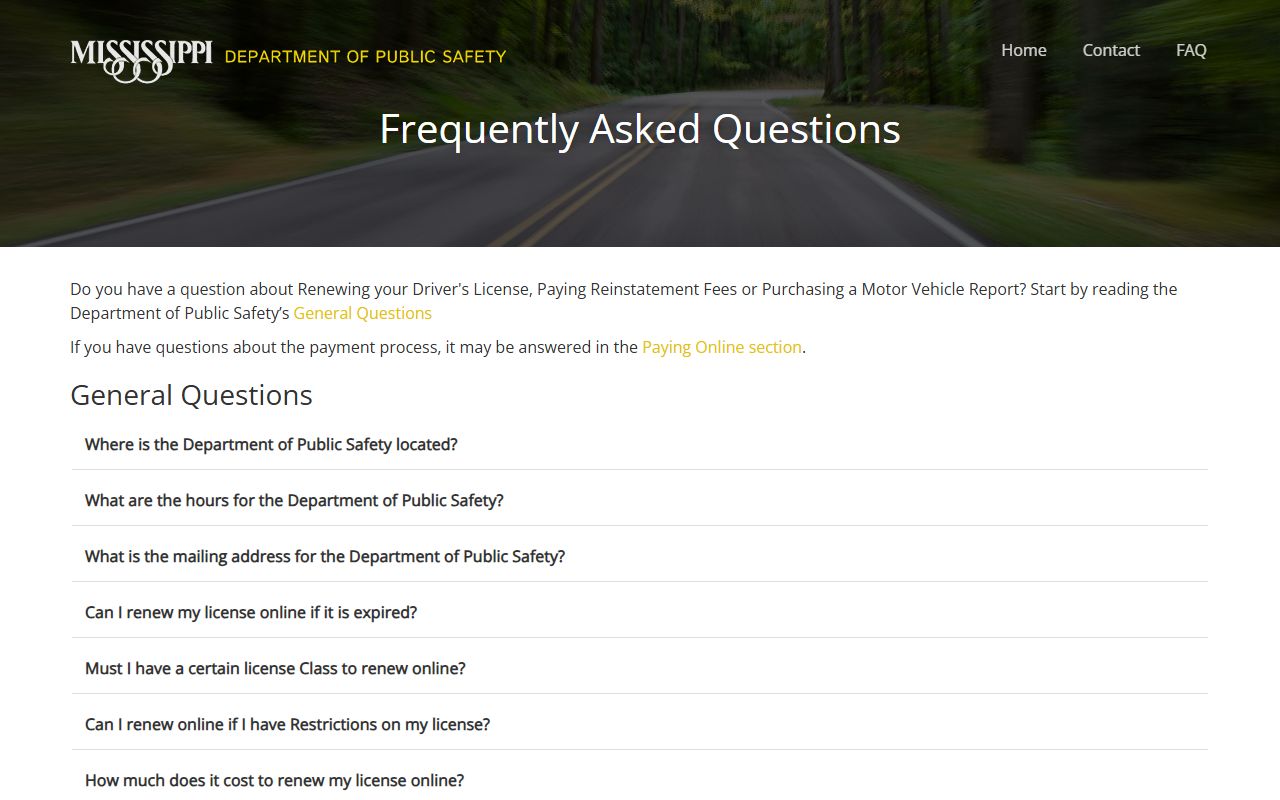
That page sets out the order DPS follows: clear the court record and fine, pay the reinstatement fees, wait for the Department to receive confirmation from the court, and then the license is reinstated. Because the court abstract drives the timing, the fastest route is to resolve the underlying warrant with the issuing court first.
State and Federal Warrant Lookups
Some searches reach past the county entirely. There is no single statewide Mississippi warrant portal, but a few official state and federal tools help when a name is tied to supervision or custody rather than a single county order. These are separate systems, and each answers a different question.
State lookups can confirm registration status that sometimes runs alongside a warrant or supervision matter. The Mississippi Sex Offender Registry offers name and geographic searches after a brief acknowledgement.
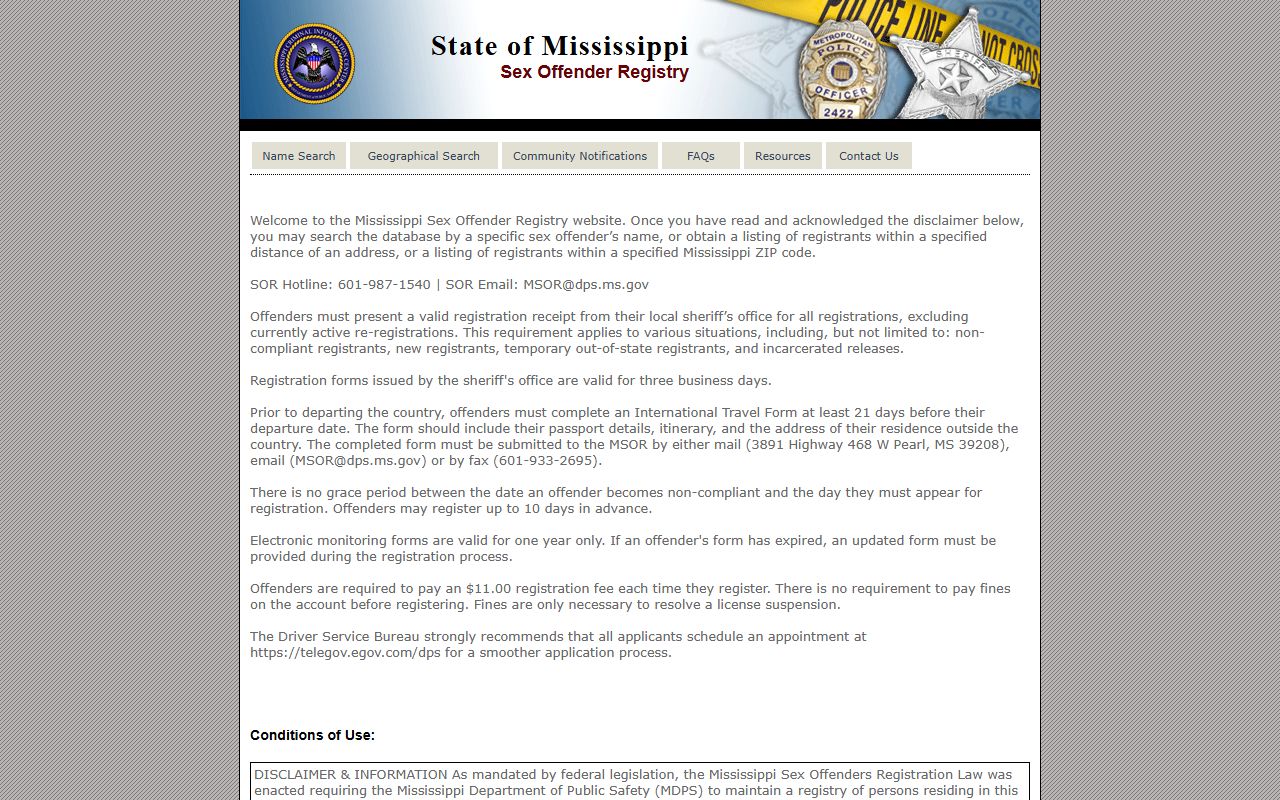
That registry is not a warrant list, but it is a state-run lookup that can matter when a warrant involves a registered person. Federal matters work through their own custody and court systems instead of any county office.
Federal warrants and federal custody fall under the U.S. Marshals and the federal courts, and Tallahatchie County sits in the Northern District of Mississippi, Oxford Division. The Federal Bureau of Prisons inmate locator covers people already in federal custody.
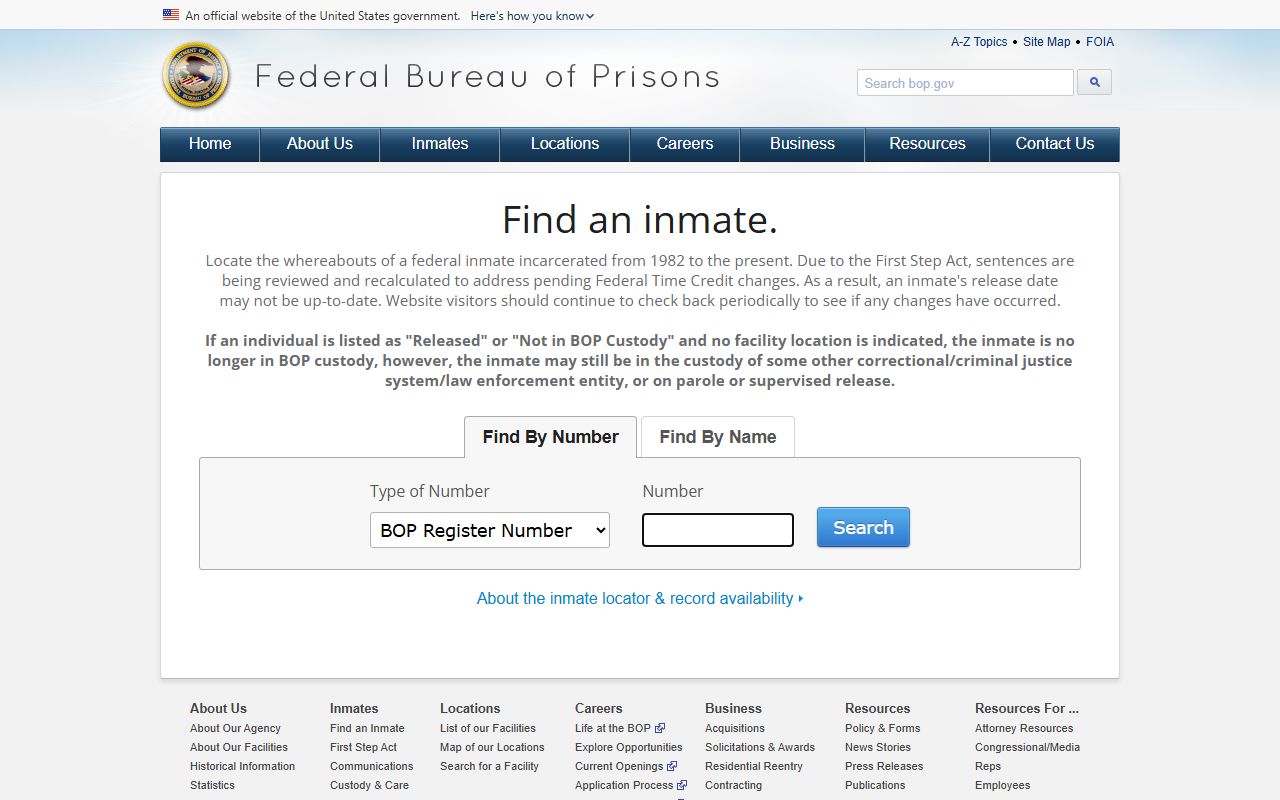
That federal locator confirms custody, not an open warrant, so a federal warrant question usually goes to the U.S. Marshals or the federal court clerk. County, state, and federal warrants never share one database.
Restricted Tallahatchie County Warrant Records
Not every warrant detail is open to the public. Sealed cases, active investigations, and juvenile matters carry limits that the sheriff and the courts must follow. A clerk may confirm that a warrant exists yet decline to release the charge, the affidavit, or the supporting facts while a case is sealed or still under investigation.
Juvenile warrants are generally not treated as ordinary public files. Expunged matters drop out of routine public view as well. Mississippi Code Section 99-19-71 allows qualifying arrests and certain convictions to be expunged, and an expunged record should not be expected in an ordinary public search. Federal warrants stay outside county records altogether.
Note: When an office withholds warrant details, ask whether the limit comes from a seal, a juvenile rule, or an open investigation, because each has its own release path.